Essential Oils for Stress Relief: Natural Ways to Calm Your Mind and Body
In today’s fast-paced world, stress has become an almost constant companion. Whether it’s work pressures, personal challenges, or health concerns, the effects of stress can be overwhelming. While there are many ways to manage stress, one natural and increasingly popular method is the use of essential oils. These concentrated plant extracts have been used for centuries for their calming, healing, and therapeutic properties. This article will guide you through the best essential oils for stress relief, how they work, and simple ways to incorporate them into your daily routine.
What Are Essential Oils?
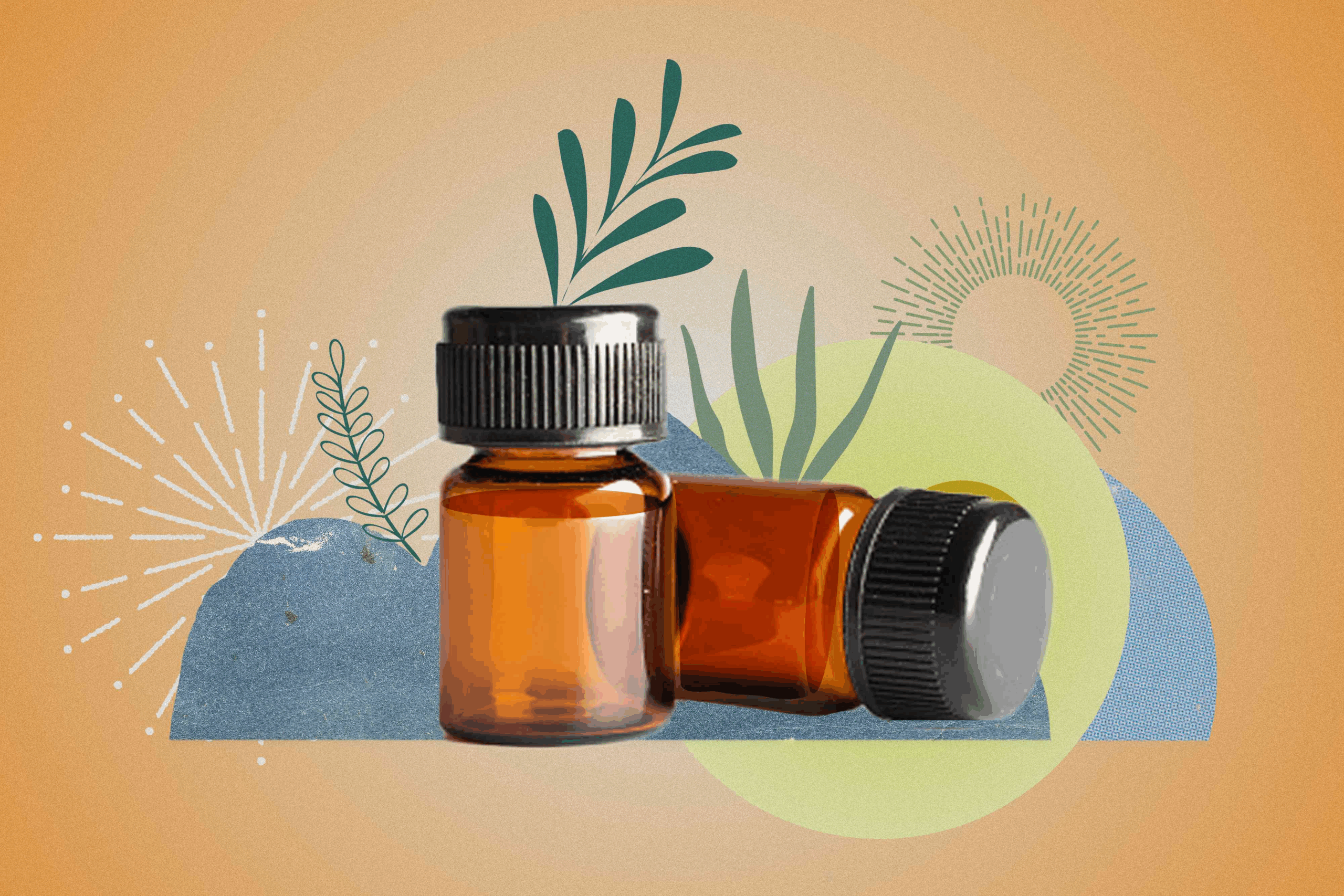
Essential oils are highly concentrated extracts derived from plants, flowers, leaves, or roots. They capture the natural fragrance and therapeutic properties of plants in a potent form. Unlike regular oils, essential oils are volatile, meaning they evaporate quickly, releasing their aroma into the air. When inhaled or applied topically (with proper dilution), they can affect both the mind and body, helping to reduce stress and improve overall well-being.
How Essential Oils Help Reduce Stress
The science behind essential oils and stress relief is fascinating. When inhaled, the scent molecules in essential oils travel through the olfactory system in the nose and directly influence the limbic system in the brain. The limbic system is responsible for emotions, memories, and arousal, making it a key player in stress management.
Certain essential oils have calming, uplifting, or grounding properties. They can help reduce cortisol (the stress hormone), lower blood pressure, ease anxiety, and promote relaxation. Whether you use them in a diffuser, in a bath, or during a massage, essential oils can provide natural relief from tension and mental fatigue.
Best Essential Oils for Stress Relief
Here are some of the most effective essential oils that can help you manage stress naturally:
1. Lavender Oil
Lavender is one of the most popular essential oils for relaxation. Its sweet, floral aroma has been shown to reduce anxiety, improve sleep quality, and lower blood pressure. You can use it in a diffuser, add a few drops to your pillow before bed, or mix it with a carrier oil for a calming massage.
2. Chamomile Oil
Chamomile is not just a soothing tea ingredient—it also works as an essential oil. Roman chamomile, in particular, has gentle, calming effects on the nervous system. It helps reduce irritability, anxiety, and mild insomnia.
3. Bergamot Oil
Bergamot, a citrus oil, is both refreshing and relaxing. Its uplifting scent helps reduce stress, improve mood, and relieve feelings of tension. Diffusing bergamot oil at home or adding it to a bath can create a spa-like experience that calms the mind.
4. Ylang Ylang Oil
Ylang ylang is known for its sweet, floral scent that can lower blood pressure and heart rate. It helps promote a sense of calm, reduce anxiety, and even enhance feelings of happiness and self-confidence.
5. Frankincense Oil
Frankincense is a grounding essential oil often used in meditation and mindfulness practices. Its deep, woody aroma helps calm the mind, reduce stress, and create a sense of inner peace.
6. Peppermint Oil
Peppermint oil is stimulating yet calming. While it’s more commonly known for boosting energy and focus, it can also relieve tension headaches and mental fatigue caused by stress.
7. Clary Sage Oil
Clary sage has a herbaceous aroma that can help balance hormones, reduce anxiety, and improve mood. It’s often recommended for people experiencing stress related to hormonal changes or emotional imbalance.
How to Use Essential Oils for Stress Relief
There are several safe and effective ways to use essential oils for stress relief:
1. Aromatherapy Diffusers
Diffusers disperse essential oils into the air, filling your space with calming scents. Simply add a few drops of your chosen oil to water in the diffuser and let the aroma work its magic.
2. Topical Application
Essential oils can be applied to the skin when diluted with a carrier oil such as coconut, jojoba, or almond oil. Common areas for application include the wrists, temples, neck, and soles of the feet.
3. Baths
Adding essential oils to a warm bath can provide a relaxing experience. Mix 3–5 drops of essential oil with a teaspoon of carrier oil or unscented bath salts before adding it to the water.
4. Inhalation
For quick stress relief, place a few drops of essential oil on a tissue or cotton ball and inhale deeply. This method is ideal when you’re on the go or need immediate relaxation.
5. Massage
Combining essential oils with massage not only relaxes muscles but also reduces mental stress. Dilute essential oils with a carrier oil and gently massage into the shoulders, neck, and back.
Tips for Using Essential Oils Safely
While essential oils are natural, they are also potent. Here are a few safety tips:
- Always dilute essential oils before applying to the skin.
- Do a patch test to check for allergies.
- Avoid using essential oils internally unless under the guidance of a qualified professional.
- Keep oils away from eyes, ears, and sensitive areas.
- Store oils in cool, dark places to preserve their potency.
Lifestyle Habits to Enhance Stress Relief
Using essential oils is most effective when combined with other healthy stress-reduction habits:
- Practice mindfulness or meditation: Pair essential oils with meditation for deeper relaxation.
- Exercise regularly: Physical activity releases endorphins that complement the calming effects of essential oils.
- Maintain a balanced diet: Nutritious foods support overall mental health.
- Get enough sleep: Use calming oils like lavender to improve sleep quality.
- Connect with loved ones: Social support reduces stress levels significantly.
Conclusion
Essential oils offer a natural, effective, and enjoyable way to manage stress. From the soothing aroma of lavender to the uplifting scent of bergamot, these oils can calm your mind, reduce anxiety, and improve overall well-being. By incorporating aromatherapy, baths, massages, and other methods into your daily routine, you can create a calming environment that supports mental and emotional health. Remember to use them safely, and combine them with other healthy lifestyle practices for the best results. With consistency and mindfulness, essential oils can become a powerful tool in your stress-relief toolkit.
FAQs About Essential Oils for Stress Relief
1. Are essential oils safe for everyone?
Most essential oils are safe when used properly, but pregnant women, children, and individuals with allergies should consult a healthcare professional before use.
2. How long does it take to feel stress relief from essential oils?
Some people notice immediate calming effects through inhalation, while others may need several days of consistent use to experience significant benefits.
3. Can I mix different essential oils for stress relief?
Yes! Blending complementary oils, like lavender and bergamot, can enhance the calming effects. Always dilute properly and test for skin sensitivity.
4. Can essential oils replace medication for anxiety?
Essential oils can support relaxation and stress relief but should not replace prescribed medications for anxiety or other medical conditions. Always follow your doctor’s guidance.
5. How often should I use essential oils for stress relief?
You can use essential oils daily, either in the morning to set a calm tone or at night to wind down. Consistency is key for long-term benefits.